
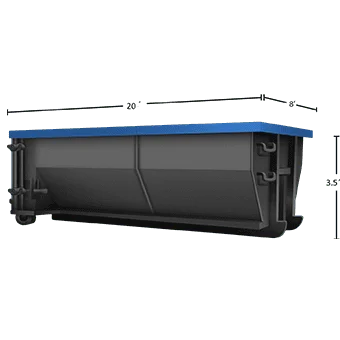
A container delivered for the loading period
A roll-off rental provides a container at an agreed position so approved material can be loaded over the hire. Describe the waste, approximate quantity and how it will be loaded. Container capacities and accepted materials vary; ask what can be offered for the actual job rather than selecting from an assumed universal size list.
Volume is only part of the decision. A load of dense debris behaves differently from bulky lightweight contents. Tell the rental contact about heavy material and special items before the order so the proposed container and load terms can be considered together.
Keep the receiving and removal space usable
The delivery vehicle needs a suitable approach and space to place and later retrieve the container. Describe a narrow entrance, overhead restriction or limited receiving area before confirming. The usable position must account for the truck operation as well as the container standing still.
Once placed, follow the supplied loading instructions and keep the collection approach available. Do not move the container independently or assume a blocked retrieval can be solved by a different vehicle. Request a relocation, exchange or extra collection through the rental contact.
Confirm where the approved load can go
Wilson County separates landfill receiving from convenience-center use. Its current sticker notice directs construction debris to the landfill rather than convenience centers; the landfill also distinguishes commercial receiving from residential-only Saturday arrangements. Those public options are not a substitute for the disposal terms of a private rental.
The provider must confirm the accepted load and removal arrangement for your order. Request a quote with the Wilson address, material, dates and desired loading period. Ask how a full container, exchange, extension or changed collection affects the agreed scope, and keep unapproved materials separate until their handling is resolved.